


 |
Commodity: Qimen An Tea Gong Jian |
| Synonyms: Keemun Ancha Tribute Tip | |
| Art.No: AC27 | |
| Place of Origin: Qimen, Anhui | |
| Size: 250G/Basket | |
| Supply Capacity: 2000PCS | |
| Shelf Life: No Limit. Keep longer taste better | |
| Packaging: 250G/PC, 80PCS/CTN, aluminum foil bag inside, carton outside |
| Storage: Stored away from moisture and sunlight |
| Shipping&Payment: |
| 1) For orders above USD3000, pls contact us for details. |
| 2) For tea shops, tea houses or any orders below USD 3000: |
| Oversea Door to Door Wholesale Service is Available!>See Detail< |
More Information: |
| Certification: | - |
| Tea Varietal: | Heritage Qimen Zhuye Cultivar |
| Harvest Time: | Early April |
| Farming Methods: | - |
| Production Methods: | Harvesting-Fixing-Rolling-Drying(Sun-drying)-Dewing(Exposing to night dew)-Steaming-Packing(Bamboo basket compression)-Roasting(Final charcoal drying)-Aging |
| Introduction: | Qimen Ancha Gongjian is the "Imperial Crown" of the dark tea world. Historically reserved as a prestigious tribute for the Chinese court, the name Gongjian translates to "Tribute Peak," signifying the highest possible grade of harvest. While the Qimen region is world-famous for its black tea, this post-fermented specialty represents a deeper, more mystical lineage of Anhui craftsmanship. Sourced from the legendary Zhuye "Oak-leaf" cultivar, Gongjian is crafted exclusively from the most tender, early-spring buds and young leaves. Its production is a poetic dance with nature: the leaves are pan-fired, hand-rolled, and sun-dried before undergoing the transformative "Night-Dewing" process. By exposing the tea to the midnight mist and the heavy morning dew, the "fire" of charcoal roasting is neutralized, imbuing the tea with a unique, "cooling" energy prized in Traditional Chinese Medicine. The presentation is as refined as the flavor. The tea is hand-pressed into miniature, hand-woven bamboo baskets lined with fragrant Ruoye leaves. This organic micro-environment allows the tea to breathe and age gracefully over decades, developing a profound, vintage character. When brewed, Gongjian yields a crystal-clear, deep mahogany liquor. It is defined by its elusive, classic "betel nut" aroma, intertwined with notes of sandalwood, old incense, and a persistent medicinal sweetness. Unlike coarser grades, Gongjian offers an exceptionally silky, "oil-like" mouthfeel and a powerful, refreshing resonance in the throat. In the Zen and Tao lifestyle, it is the ultimate grounding ritual. Gongjian rebalances the body’s internal heat and soothes the spirit, offering a cup that bridges the ruggedness of the ancient forest with the ethereal clarity of a starlit night. It is a timeless heirloom of tranquility. |
| Preparation Methods: | Brewing Qimen Ancha is a unique ritual. Because it is a post-fermented tea aged in bamboo baskets, it requires high heat to "awaken" its medicinal properties and woody sweetness. Here is the best way to brew it, including the traditional secret of the Ruoye leaf. 1. Preparation: The "Braid and Leaf" 2. Gongfu Style (Recommended for Depth) Vessel: A Zisha (Yixing) clay teapot is perfect. A thick porcelain Gaiwan also works well. 3. Western Style (For Daily Comfort) 4. Boiling Method (For "Pharmacy" Grade Effect) |
| Flavor \taste note: | An exceptionally silky, oil-like texture with a classic betel nut fragrance. The palate reveals sophisticated layers of aged sandalwood, old incense, and damp forest floor, culminating in a profound, cooling medicinal sweetness that lingers gracefully. |
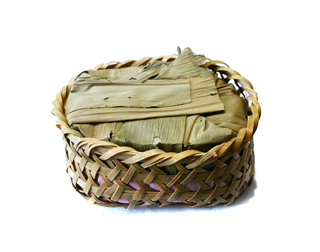
| Dried leaves: | Twisted, glossy black leaves nestled in hand-woven bamboo baskets lined with fragrant Ruoye leaves. The appearance is rustic and refined, showcasing a dark, resilient luster shaped by years of aging. |
| Liquor: | Orange-amber |
| Brewed Tealeaves: | Thick, elastic, fleshy in dark and copper color |
| More Photos: | 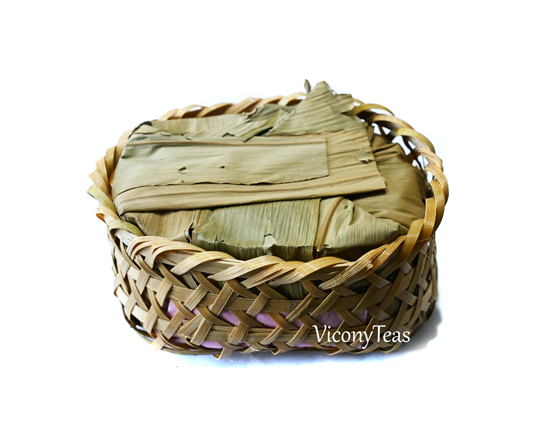 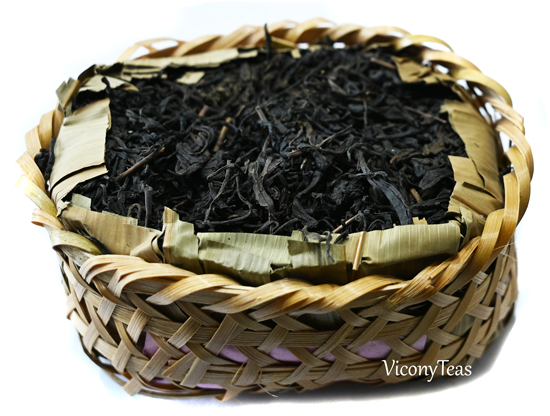 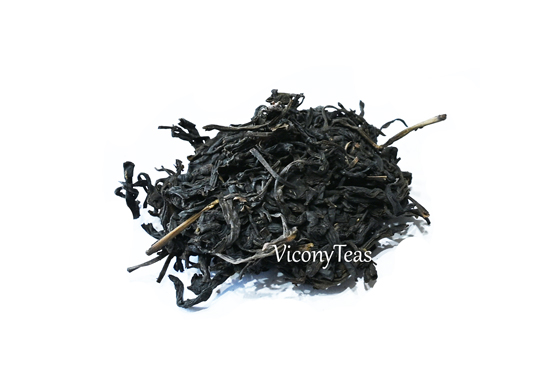 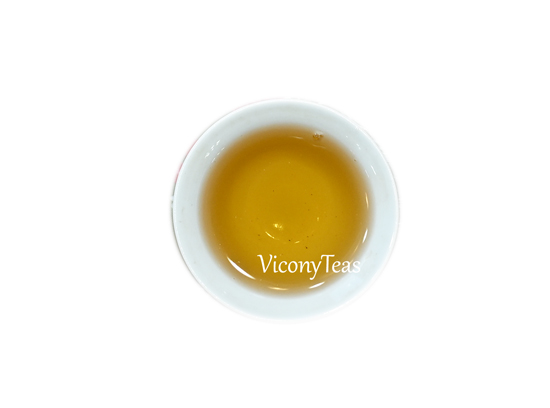 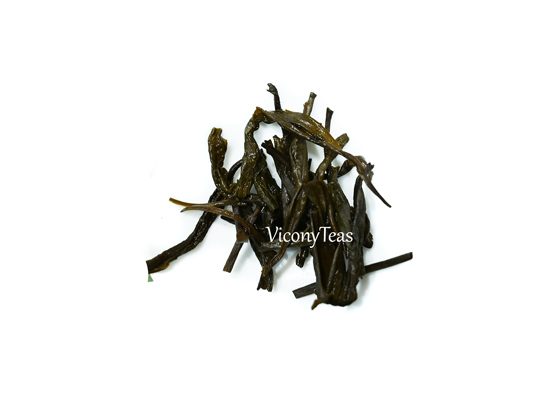 |